professional-audio: The Complete Guide to Equipment, Sound Quality, and Real-World Use

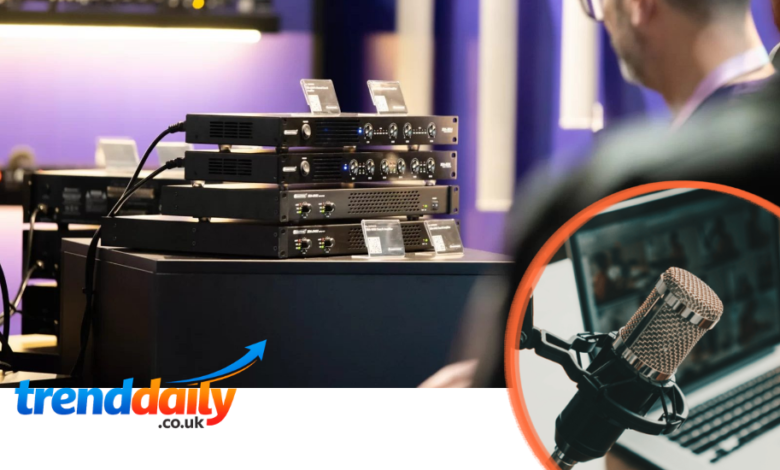
Professional-audio is a broad term used for high-performance sound equipment, recording systems, and audio workflows built for serious use rather than casual listening. In simple words, it covers the tools and standards used in music studios, live concerts, podcasts, film production, radio, houses of worship, corporate events, and many other environments where clarity, control, and reliability matter most. Unlike ordinary consumer gear, professional audio products are designed to deliver stronger signal handling, better durability, more precise monitoring, and cleaner sound reproduction under demanding conditions. That is why the keyword professional-audio continues to attract attention from musicians, engineers, creators, venue owners, and even business buyers who want to understand what separates basic sound gear from truly professional systems.
Quick Facts About professional-audio
| Category | Details |
|---|---|
| Keyword | professional-audio |
| Main Meaning | High-quality audio systems and tools for professional use |
| Common Uses | Recording, live sound, broadcasting, podcasting, film, events |
| Core Equipment | Microphones, mixers, speakers, interfaces, monitors, amplifiers |
| Main Goal | Clear, accurate, powerful, reliable sound |
| Typical Users | Sound engineers, musicians, producers, venues, creators, businesses |
| Key Benefit | Better control, better audio quality, stronger performance |
| Buying Focus | Reliability, compatibility, sound quality, scalability |
| Entry Level | Small studio and podcast setups |
| Advanced Level | Touring rigs, full studios, broadcast and production systems |
What Does professional-audio Really Mean?
The term professional-audio does not describe one single device. Instead, it refers to an entire class of sound technology built for demanding work. A normal home speaker may be fine for everyday music listening, but professional-audio systems are expected to perform at a much higher level. They are used in places where mistakes can ruin a recording, damage a performance, or weaken audience experience. That means the equipment must be able to handle long sessions, strong output, detailed tuning, and different types of signal routing without losing quality. In many cases, pro audio is less about flashy design and more about precision, durability, and consistent results.
This is also why professional-audio products often seem more technical than consumer products. They are not made only to sound pleasing in a casual way. They are made to reveal detail, maintain balance, and give the user more control. An engineer mixing vocals, a venue running a live event, and a podcaster recording spoken content all need dependable gear. Their exact setups may differ, but they are all part of the same larger professional-audio world.
Why professional-audio Matters More Than Ever
Professional-audio has become more important because sound now plays a bigger role in more industries than ever before. Years ago, many people linked pro audio mainly to music studios and concert halls. Today, the demand is much wider. Businesses need sound systems for presentations and events. Content creators need professional microphones and interfaces for podcasts and videos. Churches, schools, and seminar halls rely on intelligible speech reinforcement. Streaming platforms have also pushed audiences to expect cleaner and more polished sound, even from smaller creators.
The rise of remote work and independent media has also changed the market. A person no longer needs a large commercial studio to care about professional-audio. Someone running a YouTube channel, online course, interview podcast, or voiceover service may now need studio monitors, acoustic treatment, an audio interface, and proper microphones. In that sense, professional-audio has become both more specialized and more accessible. The standards remain high, but the entry points have widened.
The Main Difference Between Consumer Audio and professional-audio
One of the most common questions around professional-audio is how it differs from ordinary consumer sound gear. The answer comes down to purpose. Consumer audio is usually built for convenience, style, and easy enjoyment. Professional-audio is built for accuracy, reliability, and control. A home Bluetooth speaker might boost bass or smooth out harsh frequencies to make everything sound pleasant. A professional studio monitor, by contrast, is designed to expose flaws rather than hide them. That honesty helps engineers make better decisions during recording and mixing.
The same difference appears in microphones, mixers, and headphones. Consumer devices often aim to make things simple, while pro audio gear assumes the user wants deeper adjustment. This does not mean consumer gear is bad. It simply means it is designed for another audience. Professional-audio becomes important when the listener is not just enjoying sound, but working with it, shaping it, amplifying it, or delivering it to others in a controlled environment.
Core Equipment Found in professional-audio Systems
The world of professional-audio includes many types of equipment, but a few categories appear again and again. Microphones are one of the most important starting points because they capture the original sound source. Dynamic microphones are often used for live vocals and loud instruments, while condenser microphones are common in studio recording for their sensitivity and detail. Then come mixers, which allow multiple sound sources to be balanced, processed, and routed correctly.
Audio interfaces are another major part of professional-audio, especially in modern studio and content-creation settings. They convert analog sound into digital data and back again, making them essential for recording into a computer. Studio monitors help users hear their work accurately, while PA speakers project sound to larger audiences. Amplifiers, signal processors, DI boxes, cables, stands, and acoustic treatment also matter. Each part may look small on its own, but together they shape the final quality of a system.
professional-audio in Recording Studios
Recording studios remain one of the clearest examples of professional-audio in action. In a studio, the goal is not only to capture sound but to capture it with enough clarity and control that it can be edited, mixed, and mastered at a high level. That requires good microphones, proper mic placement, clean preamps, accurate monitors, and a room that does not distort the sound too much. Even a talented singer or musician can sound weak if the recording chain is poor.
A professional-audio studio setup is also about workflow. Engineers need low-latency monitoring, stable connections, predictable gain structure, and enough flexibility to record different sources. A vocal booth, drum room, mixing desk, monitor controller, and digital audio workstation all become part of one larger ecosystem. When this system is designed well, the result is not just louder sound. It is better sound, easier decision-making, and a more polished final product.
professional-audio for Live Sound and Events
Live sound is one of the most demanding branches of professional-audio because there are no second takes. A studio engineer can record again if something goes wrong. A live sound engineer must solve problems instantly in front of an audience. That is why reliability is so important in event audio. Speakers need enough coverage and power. Microphones must reject feedback well. Mixers need flexible routing. Monitoring for performers must be accurate enough to keep them comfortable on stage.
Whether the event is a wedding, concert, conference, or public speech, professional-audio helps create clarity and confidence. People often notice poor sound faster than poor lighting. If voices are muffled, harsh, or inconsistent, the whole event feels weak. On the other hand, when the system is tuned properly and every microphone, speaker, and signal path is working smoothly, the audience may not think about the equipment at all. They simply experience a better event.
Broadcasting, Podcasting, and Content Creation
Another fast-growing area of professional-audio is media production. Podcasts, online interviews, commentary channels, and business webinars all depend heavily on clean voice recording. Viewers may forgive simple visuals, but bad sound drives them away quickly. That is why creators increasingly invest in USB microphones, XLR microphones, audio interfaces, broadcast headphones, boom arms, pop filters, and acoustic treatment. Even a basic podcast room starts to feel more professional when these pieces are chosen thoughtfully.
Broadcasting takes this further. Radio stations and voice-based media environments need microphones with strong speech clarity, reliable processing chains, and controlled room acoustics. Compression, EQ, and noise management are also major parts of the process. In this area, professional-audio is not just about musical beauty. It is about intelligibility, consistency, and listener comfort over long sessions.
Why Sound Quality Is Only Part of the Story
Many beginners think is only about better sound quality. Sound quality is important, but it is only one piece of the picture. Real professional systems are also built around control, repeatability, and trust. A cheap microphone might sound surprisingly good in one test, yet fail in durability, consistency, or compatibility. A pro-level system is expected to work reliably across different sessions, users, and environments.
This is why professionals often value build quality and workflow just as much as raw tone. A mixer with clean routing, dependable preamps, and intuitive controls can save time and reduce stress. A well-made speaker system can perform night after night without becoming unpredictable. In practical terms, is about reducing problems while increasing confidence. That makes it valuable not only for artists, but also for businesses and organizations that cannot afford poor performance.
How to Choose the Right professional-audio Equipment
Buying professional-audio equipment can feel overwhelming because the market is wide and technical language is often confusing. The best starting point is to define the real use case. A home vocal recording setup does not need the same system as a wedding venue or live band. A podcast studio does not require the same speakers as a concert stage. When buyers try to purchase gear without understanding the actual job, they often overspend in the wrong areas.
A better approach is to focus on signal chain priorities. First, identify the sound source. Then think about capture, conversion, monitoring, and output. For example, a voice-based setup may need a reliable microphone, audio interface, closed-back headphones, and acoustic treatment before it needs expensive studio monitors. By contrast, a live event rig may require speakers, a digital mixer, wireless microphone systems, and cable management first. The strongest professional-audio systems are not always the most expensive. They are the ones designed with purpose.
Common Mistakes People Make With professional-audio
A major mistake is assuming that expensive gear automatically solves weak technique. Even the best microphone will disappoint if placed poorly in a reflective room. Another mistake is ignoring acoustics. Many people spend heavily on interfaces and mics, then record in untreated spaces that add echo, boominess, or harsh reflections. That often hurts results more than the quality of the electronics themselves.
Another common error is mixing incompatible goals. Some users buy studio monitors expecting them to behave like party speakers. Others purchase live speakers for precise mixing work. Professional-audio tools are often specialized, so the right product depends on the task. Cable quality, gain staging, and proper setup are also frequently underestimated. In reality, small technical details often separate average sound from excellent sound.
The Role of professional-audio in Business and Commercial Spaces
Professional-audio is not limited to entertainment. It also plays an important role in commercial settings such as conference rooms, retail environments, hotels, educational institutions, fitness centers, and religious spaces. In these places, the goal may not be artistic recording at all. Instead, the focus may be speech clarity, background music management, zone control, paging, or hybrid meeting support. Even so, the same pro audio principles still apply. The system must be reliable, scalable, and easy to manage.
This matters because poor sound affects professionalism. A business presentation with weak audio feels unprepared. A conference hall with uneven microphone levels becomes frustrating. A worship service with unclear speech can weaken audience engagement. In all of these cases, professional-audio supports the experience behind the scenes. It helps spaces function smoothly and communicate effectively.
Is professional-audio Worth the Investment?
For serious users, professional-audio is usually worth the investment because it improves both outcome and workflow. Better gear can produce more accurate recordings, more powerful live sound, and fewer technical failures. However, value depends on buying wisely. Not every user needs a top-tier commercial rig. Sometimes the best investment is a mid-range microphone, a clean interface, and good acoustic treatment rather than a flashy but mismatched system.
The real value of professional-audio appears over time. Reliable equipment lasts longer, performs more consistently, and often holds its usefulness better than low-end alternatives. It also allows users to grow. A creator can scale a small studio. A venue can expand its coverage. A business can improve communication. In that sense, pro audio is not just a purchase. It is infrastructure.
The Future of professional-audio
The future of professional-audio looks strong because audio remains central to communication, entertainment, and digital media. Technology is making systems smaller, smarter, and more flexible. Digital mixers, networked audio, software processing, and compact high-quality interfaces are helping professionals do more with less space. At the same time, audience expectations continue to rise. People want clear voices, strong mixes, and polished production across every platform.
This means the demand for professional-audio knowledge will likely keep growing. Buyers do not just want equipment anymore. They want systems that work together, sound good, and support long-term goals. As studios, creators, venues, and businesses continue to evolve, pro audio will remain one of the most important foundations behind quality media and sound-driven experiences. You can also explore more media and technology-style content through our Entertainment section, where digital trends and audience-focused topics continue to overlap.
Conclusion
professional-audio is much more than a niche technical keyword. It represents an entire world of sound built around quality, precision, durability, and control. From recording studios and concert stages to podcasts, broadcasting, and commercial spaces, professional-audio shapes how people hear content, performances, and communication. Its value is not limited to loudness or price. Its real importance lies in dependable results and the ability to deliver sound that works in the real world.
That is why the topic keeps attracting attention from both beginners and experienced users. People want to know what makes pro sound different, which equipment matters most, and how to build systems that actually perform. The answer is not one magic product. It is a thoughtful combination of purpose, gear choice, setup, and understanding. When those elements come together, professional-audio becomes one of the strongest tools for creating better experiences through sound.
CONNECT WITH US FOR DAILY UPDATES
FAQs
What is professional-audio?
professional-audio refers to high-quality sound equipment and audio systems designed for serious work such as recording, live events, broadcasting, and content creation.
What is the difference between consumer audio and professional-audio?
Consumer audio is mainly built for convenience and casual enjoyment, while professional-audio focuses on accuracy, reliability, control, and stronger long-term performance.
Who uses professional-audio equipment?
Sound engineers, musicians, producers, podcasters, broadcasters, venues, schools, churches, and businesses all use professional-audio equipment in different ways.
Is professional-audio only for music studios?
No. It is also widely used in live events, corporate spaces, podcasting, film production, public speaking, houses of worship, and many other environments.
What equipment is included in professional-audio?
Common equipment includes microphones, mixers, audio interfaces, studio monitors, PA speakers, amplifiers, signal processors, cables, and acoustic treatment.
Is professional-audio expensive?
It can be expensive, but the cost depends on the setup. A small creator studio may be affordable, while a large event or commercial system can require a much bigger budget.
Why is professional-audio important for content creators?
It helps creators produce clearer, more polished sound, which improves audience experience and makes content feel more trustworthy and professional.