What Is Pravi Celer? The Real Meaning, Benefits, and Everyday Uses of This Healthy Vegetable

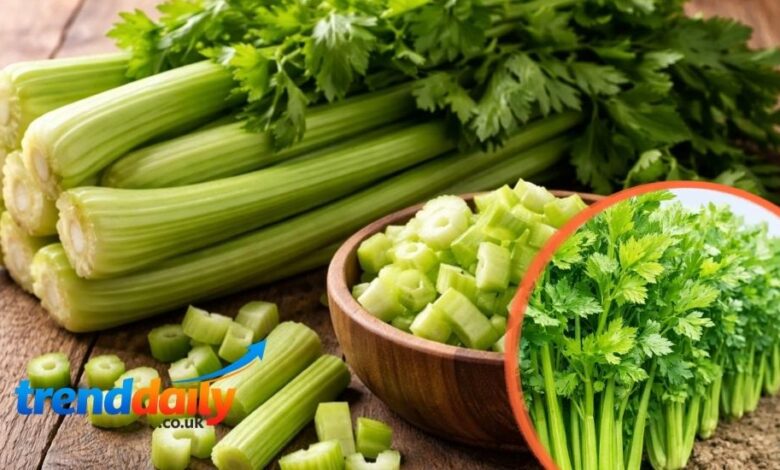
Pravi celer is most directly connected to the plant known scientifically as Apium graveolens, which is celery in English. Croatian-language references identify “pravi celer” as the common name for this aromatic edible plant, while broader taxonomy references connect it to the celery species within the Apiaceae family. In simple terms, when people search “Pravi Celer,” they are usually searching for information about celery itself, especially in a more traditional, regional, or translated form rather than a different plant altogether. That matters because the keyword sounds unusual and specialized to many readers, but the strongest public sources show that it points to a very familiar vegetable with a long culinary and nutritional history.
| Quick Bio | Details |
|---|---|
| Common Term | Pravi celer |
| Scientific Name | Apium graveolens |
| English Name | Celery |
| Plant Family | Apiaceae |
| Main Uses | Vegetable, herb, spice |
| Edible Parts | Stalks, leaves, seeds, root forms depending on variety |
| Key Nutrition Notes | High water content, low calories, vitamin K source |
| Main Search Interest | Meaning, benefits, nutrition, and food uses |
What “Pravi Celer” actually means
The reason this keyword confuses so many people is that “pravi celer” sounds like a special product, a rare herb, or even a branded health ingredient. But the strongest public references make the meaning much simpler. Croatian Wikipedia describes pravi celer as “vrtni celer” and “mirisavi celer,” directly tying it to Apium graveolens, while broader plant references explain that Apium graveolens is the species from which cultivated celery forms are derived. In practical everyday language, pravi celer can be understood as true or garden celery, especially in a South Slavic linguistic context. That means people looking up the phrase are usually not dealing with an entirely different plant. They are dealing with celery under a different name, which explains why search results often mix language, food, and health content together.
Why the keyword “Pravi Celer” is getting attention
The growing interest in this phrase has a lot to do with the internet’s love of cross-language wellness keywords. “Celery” sounds ordinary in English, but “pravi celer” sounds much more mysterious, natural, and niche. That alone increases click curiosity. Recent English-language health explainers have started using the phrase and presenting it as “real celery” or “true celery,” which gives the keyword fresh momentum in search. In other words, the food itself is old and familiar, but the phrasing feels new enough to make people stop and ask questions. This kind of keyword often performs well because readers think they are discovering something hidden, when in reality they are rediscovering something common through a different language lens.
The plant behind the name
Celery, or pravi celer, belongs to the Apiaceae family, a plant family that also includes parsley, carrots, and fennel. Public plant references explain that Apium graveolens is an Old World species of flowering plant and that cultivated celery has been selected over time into several main forms, including stalk celery, leaf celery, and celeriac. This is useful to understand because many people think of celery only as long green stalks, but the plant has broader culinary value than that. Depending on the variety and region, people may use the stalks, leaves, seeds, or root-like bulb forms in cooking. This makes pravi celer more versatile than casual eaters sometimes realize, and that versatility is one reason it has remained important across different food traditions for centuries.
Pravi celer and its nutritional profile
One of the strongest reasons people search this term is nutrition. Public references on celery consistently show that raw celery is mostly water, very low in calories, and a notable source of vitamin K. The general celery reference says 100 grams of raw celery provide only about 14 calories and are rich in vitamin K, while broader health explainers emphasize fiber, hydration, and useful micronutrients such as potassium and vitamin C. That nutrition profile makes pravi celer appealing to people who want a vegetable that is light, refreshing, and easy to fit into weight-conscious or balanced eating plans. It is not nutritionally dense in every category, but it offers a practical combination of water, crunch, and useful nutrients that make it easy to include regularly.
Why celery is often linked with hydration
Pravi celer is often promoted as a hydrating vegetable because of its extremely high water content. Since public nutrition references describe raw celery as about 95 percent water, it naturally fits into hydration-focused diets and light meals. This does not mean eating celery replaces proper fluid intake, but it does mean it can support overall hydration in a simple and natural way. Many readers are drawn to vegetables that feel “clean” and refreshing, and celery has that reputation because it adds volume and crunch without heaviness. In practical daily eating, that can be very useful. Foods that help people feel fresh and satisfied without being calorie-dense often become long-term staples, and celery’s water-rich structure is one of the main reasons it works that way.
Digestive support and fiber value
Another major reason people search for pravi celer is its connection to digestion. Public health explainers and nutrition pages repeatedly point to celery’s fiber content as part of its value. Fiber helps support regular digestion, and vegetables like celery can contribute to that when they are part of a balanced diet. What makes celery especially practical is that it is easy to eat in different forms: raw as a snack, chopped into salads, cooked into soups, or blended into juices and sauces. That versatility makes it easier for people to consume fiber from whole foods instead of relying only on supplements or processed “health” products. The point here is not that celery alone will solve digestive issues, but that it can support healthier eating patterns in a steady, realistic way.
Antioxidants and plant compounds in pravi celer
Pravi celer is also frequently described as beneficial because of its antioxidants and plant compounds. Public health sources mention compounds such as flavonoids, phenolic acids, apigenin, and other phytonutrients associated with celery. These compounds are often discussed in relation to oxidative stress, inflammation, and general cellular support. The important thing is to stay realistic here. Celery is not a miracle cure, and it should not be marketed as if one vegetable alone can transform health. But it does belong to the broad group of plant foods that can contribute beneficial compounds to the diet. That is the most responsible way to frame its value: not as magic, but as one useful, accessible part of a healthier plant-rich eating pattern.
Is pravi celer good for weight management?
Celery has long been associated with low-calorie eating, and that reputation is one of the biggest drivers behind search interest in pravi celer. The main reason is simple: it offers bulk, crunch, and water for very few calories. That can make it useful for snacking, meal prep, and adding freshness to dishes without making them heavy. For people trying to manage weight, vegetables that make meals feel bigger and more satisfying can be genuinely helpful. At the same time, responsible nutrition writing should avoid turning celery into a “fat-burning” myth. Its real value is not that it performs dramatic metabolic tricks. Its value is that it makes balanced eating easier to maintain. That is a much more truthful and much more useful benefit.
Culinary uses of pravi celer
One of the best things about pravi celer is that it is not just a health keyword. It is also a very practical kitchen ingredient. Public references explain that celery can be eaten raw in salads, cooked into soups and stews, used in mirepoix and aromatic bases, or juiced. The leaves can also be used for flavoring, and celery seeds are used as spice or processed into celery salt. This wide range of uses is part of why celery has lasted as a staple for so long. It is not a one-purpose ingredient. It can function as a snack, a base flavor, a fresh salad component, or a seasoning support. A vegetable becomes truly valuable when it is easy to use across ordinary meals, and celery fits that role extremely well.
Raw, cooked, or juiced: what works best?
People often ask whether pravi celer is better raw, cooked, or juiced. The most balanced answer is that each form has a place. Raw celery keeps its crunch and works well in salads and snacks. Cooked celery becomes softer and blends naturally into soups, broths, and savory bases. Juiced celery has become trendy in wellness circles because it is easy to consume and feels refreshing, but juicing removes fiber, which means some of the whole-food benefit changes. Recent explainers that discuss celery juice usually frame it as helpful for hydration and micronutrients, but not as a replacement for eating the whole vegetable. For most people, whole celery is the better everyday option because it keeps the structure and fiber intact while still being easy to prepare.
Why the phrase sounds more special than the food really is
A big reason “pravi celer” performs so well online is that it sounds much more specialized than “celery.” Language changes perception. Readers may assume they are looking up a rare herb or a special medicinal plant when they see a term like this, even though the strongest public sources show it points to ordinary celery. This is a good example of how SEO and language interact. A familiar food can feel new and exciting when it appears through a regional name or translated phrase. That does not make the keyword fake. It just means the mystery is partly linguistic rather than biological. Understanding that helps readers avoid hype and focus on the real value of the plant itself.
Celery as an old plant, not a new trend
Even though the keyword feels modern in search results, celery itself has a very long history. Public references explain that celery has been used as a vegetable since ancient times and held culinary and symbolic importance in earlier cultures. This matters because it reminds readers that pravi celer is not some newly discovered superfood. It is an old, useful plant that has simply gained new digital attention through translation, wellness culture, and cross-language curiosity. In a way, that makes the topic even more interesting. The internet has created a fresh spotlight around something that has been quietly useful for generations.
Things to keep in mind before eating a lot of it
Pravi celer is healthy for many people, but it is still worth noting that celery can trigger allergic reactions in some individuals. The general celery reference specifically states that celery is among the foods that may provoke allergic reactions and that in some cases reactions can be serious. This does not mean most people need to worry, but it is an important reminder that even very ordinary vegetables are not universal for everyone. Balanced nutrition writing should include that kind of practical caution. Healthy eating is never truly one-size-fits-all.
Final thoughts on pravi celer
Pravi celer is, at its core, celery — especially as understood through Croatian and related South Slavic naming. What makes the keyword interesting is not that it points to a magical hidden plant, but that it gives a familiar vegetable a fresh sense of discovery. Celery is low in calories, high in water, useful in many recipes, and associated with fiber, vitamin K, and plant compounds that support a balanced diet. It can fit into snacks, soups, salads, juices, and everyday meal prep without much effort. That is why the topic matters. Behind the unusual keyword is a very practical truth: pravi celer is not a miracle, but it is an easy, affordable, and genuinely useful vegetable that deserves more attention than it usually gets.
FAQs About Pravi Celer
What does Pravi Celer mean?
Pravi celer is a South Slavic term associated with celery, especially Apium graveolens. Croatian references directly identify it as the common name for this plant.
Is Pravi Celer different from celery?
No. The strongest public references connect “pravi celer” directly to celery rather than to a different plant species.
Is Pravi Celer healthy?
Yes, in the ordinary nutritional sense. Public sources describe celery as low in calories, high in water, and a source of vitamin K, fiber, and useful plant compounds.
Can you eat Pravi Celer every day?
For many people, celery can be eaten regularly as part of a balanced diet, though anyone with celery allergy should avoid it.
What are the main benefits of Pravi Celer?
The most commonly cited benefits are hydration support, low-calorie meal support, digestive fiber, and useful micronutrients such as vitamin K.
How can Pravi Celer be used in food?
It can be eaten raw, added to salads, cooked into soups and stews, used in aromatic bases, or juiced. Celery leaves and seeds are also used in cooking.
Is Pravi Celer a superfood?
Some online articles describe it that way, but a more balanced explanation is that it is a practical, nutritious everyday vegetable rather than a miracle food.
Why do people search for Pravi Celer?
People search it because the phrase sounds unusual in English, even though it refers to a familiar vegetable, and that makes it appealing in food and wellness content.
For more info visit trenddaily.co.uk