Who Is Gunilla Hutton? The Private Life and TV Legacy Behind a Hee Haw Favorite

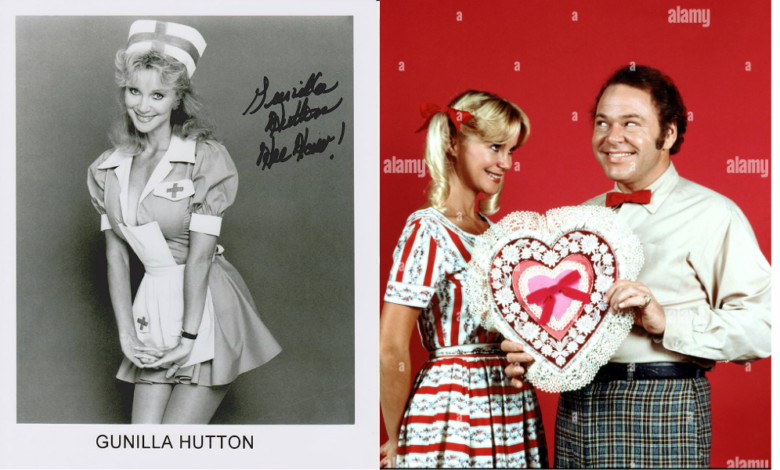
Who is Gunilla Hutton? Explore her early life, acting career, Hee Haw fame, music work, personal life, and lasting television legacy in this detailed guide.
Gunilla Hutton is one of those classic television names that still sparks curiosity decades after her biggest screen appearances. Best known for her work on Petticoat Junction and the long-running country-comedy series Hee Haw, she built a career that blended beauty, charm, music, and steady television presence without chasing the kind of loud celebrity image many stars rely on. For viewers who remember the golden era of rural television variety shows, her name carries a special familiarity. For younger readers, she often comes up through searches tied to Wikipedia, classic TV reruns, and old Hollywood curiosity. She was born on May 15, 1944, in Gothenburg, Sweden, later grew up in Fort Worth, Texas, and became known as both an actress and singer with a screen career stretching from the mid-1960s onward.
| Quick Bio | Details |
|---|---|
| Full Name | Gunilla Hutton |
| Birth Date | May 15, 1944 |
| Birthplace | Gothenburg, Sweden |
| Nationality | Swedish-born American |
| Known For | Petticoat Junction, Hee Haw |
| Profession | Actress, singer |
| Years Active | 1965–present |
| Former Spouse | Allan Freeman |
Gunilla Hutton’s early life shaped her quiet appeal
One reason people still search for Gunilla Hutton is that her story does not feel manufactured. She was born in Sweden and came to the United States as a child, reportedly arriving around the age of seven and speaking no English at first. That detail alone gives her background a very different feel from many television personalities of her era. Rather than being introduced to audiences as someone built entirely by the Hollywood machine, she had a personal story that included migration, adaptation, and a new cultural life in America. She was raised in Fort Worth, Texas, and that mix of European roots and American upbringing later gave her a distinctive presence on screen. She could fit naturally into country-themed American television while still carrying an unusual background that made her memorable.
Her early years also help explain why she never seemed like a one-note television figure. In old profiles and later summaries of her career, she comes across as someone who understood performance but also knew how to hold something back. That balance mattered. Many stars from variety television were asked to play simplified public versions of themselves. Hutton often worked within that system, especially during the height of her TV fame, but her life story gave her more texture than the “pretty blonde on a country-comedy show” label ever suggested. That is part of the reason her name has lasted. People revisit her career and realize there was more going on than a surface image.
Her breakthrough came with Petticoat Junction
For many classic TV fans, Gunilla Hutton’s most important early career milestone was stepping into the role of Billie Jo Bradley on Petticoat Junction. She played the character during the 1965–1966 period and appeared in 34 episodes, giving her a visible place in one of the best-known rural sitcoms of the decade. Taking over a familiar role on an established show is never easy, because audiences already compare every expression, every line reading, and every shift in tone. Yet Hutton became part of the show’s history and remains permanently linked to the Billie Jo legacy.
What made that role important was not only the exposure. It also proved that she could work inside the highly recognizable structure of 1960s television. Petticoat Junction was not a small project or a forgettable guest appearance. It belonged to a major wave of popular rural-themed programming that shaped American TV culture during that era. Hutton’s time on the series helped establish her public identity and opened the door to the kind of visibility that later made her a strong fit for Hee Haw. The role did not define her entire career, but it gave her a solid platform and introduced her to viewers who would continue to follow her work.
Hee Haw made Gunilla Hutton a household favorite
If Petticoat Junction introduced Gunilla Hutton, Hee Haw is what truly cemented her place in television memory. She became a regular cast member on the show and remained associated with it through its long run, with cast listings tying her presence to the series from 1969 into 1992. That matters because Hee Haw was more than a niche program. It became one of the most recognizable country variety shows in American television history, known for mixing humor, music, recurring sketches, and a deliberately playful rural atmosphere.
On Hee Haw, Hutton found the kind of role that fit her screen persona perfectly. She was glamorous without feeling distant, and she fit the show’s cheerful style without looking forced. The format allowed cast members to do more than simply stand in place and deliver lines. The show regularly featured musical moments, ensemble bits, recurring comic rhythm, and visual familiarity that kept cast personalities alive in viewers’ minds over many years. In that environment, Hutton became part of a larger television family. Fans did not just recognize her face; they associated her with a whole mood of entertainment that felt comforting, light, and distinctly American.
This is one of the biggest reasons searches for her continue today. Plenty of performers appear briefly in successful shows and then disappear into trivia pages. Gunilla Hutton remained attached to a program with deep nostalgic power. Hee Haw lived for years in reruns, home releases, and retrospectives, which kept bringing viewers back to the cast. Her presence there made her more than a former actress from one sitcom. It made her a recurring symbol of a television era that many audiences still revisit for comfort and familiarity.
She was not only an actress but also a singer
Another reason Gunilla Hutton’s name stands out is that her career included music as well as acting. That side of her work is sometimes overlooked by casual readers, but it fits naturally with the Hee Haw world and with the broader entertainment style of the time. Reference material tied to her career notes that she recorded singles and also performed musically in public appearances. Her discography was not massive, yet it showed that she was more than a television face. She had enough musical identity to record commercially and to be remembered as part of the singer-performer culture surrounding country and variety television.
That detail adds depth to her public image. In the 1960s and 1970s, entertainers often crossed between television, stage shows, and recorded music, but not everyone did it with lasting recognizability. Hutton’s combination of beauty, performance comfort, and musical presence made her especially well suited to this model. Even when she is discussed mainly in terms of television history, the singing side of her career helps explain why she fit so naturally into a show like Hee Haw. It also helps explain why older fans often remember her as more than just a cast member. They remember the total performance style she brought with her.
Why Gunilla Hutton remained so memorable
Gunilla Hutton’s career is an example of how longevity in public memory does not always come from headline-driven fame. She was not known for constantly reinventing herself, causing controversy, or staying in front of cameras at all costs. Instead, she became memorable through consistency, recognizable roles, and a visual identity that suited the kind of television audiences loved at the time. She appeared in an era when television still created long-term affection for familiar faces. Viewers invited performers into their homes week after week, and that kind of exposure created loyalty that could outlast many louder forms of celebrity.
There is also something about her career that feels unusually balanced.She was attractive and highly visible, yet her public image was never limited to glamour alone. Beyond that, her connection to country entertainment showed that she offered more than screen presence. Although she worked in television, her image never felt overly exposed or forced. That middle ground often leads to lasting curiosity. People search her name because they remember her, but they also feel that they never fully knew her. She seemed famous enough to be unforgettable and private enough to stay intriguing.
Her personal life drew attention, but her career remains the stronger story
Like many women in entertainment during the classic-TV era, Gunilla Hutton’s personal life has sometimes attracted as much attention as her professional work. Some biographical accounts have long referenced her connection to singer Nat King Cole, though that aspect of her story is often treated through retrospective summaries rather than the same level of direct career documentation attached to her screen credits. Because of that, it should be approached carefully and not allowed to overshadow the clearer, better-supported facts of her life in television and music.
What is more firmly documented is that she was married to Allan Freeman, a former Air Force pilot, and that the marriage lasted for decades until his death in 2014. Accounts connected to her biography also note that they had three children together. That part of her life reinforces the impression many fans already have of her: someone whose story was not built only on screen appearances but also on a long, relatively stable personal life away from the entertainment spotlight.
In many ways, this is why modern readers keep returning to her name. There is a difference between a celebrity who is famous for constant exposure and one who becomes interesting because she stepped back. Gunilla Hutton belongs more to the second category. The public saw enough of her to remember her, but not so much that all mystery disappeared. That balance keeps classic entertainment figures alive in search results and nostalgic conversations.
Gunilla Hutton’s style fit a changing television era
Television was changing quickly during the years when Gunilla Hutton built her reputation. Rural sitcoms, variety shows, and music-centered formats all occupied major cultural space before tastes shifted and networks began chasing younger, more urban audiences. That makes her career especially interesting from a media-history perspective. She was successful within a style of television that later became a marker of a specific era. Rather than adapting into every new entertainment trend, her legacy stayed most closely connected to the kind of programming that first made her popular.
That is not a weakness. In fact, it is one reason her image remains so clear. Some performers have careers that become hard to define because they move through too many identities. Hutton’s legacy is easier to grasp. She represents a polished, warm, camera-friendly kind of classic television performance. Her image sits comfortably beside the remembered tone of shows like Petticoat Junction and Hee Haw. For fans of that material, she is not just an actress from the past. She is part of a whole atmosphere of entertainment that still feels instantly recognizable.
Why people still search for Gunilla Hutton today
Current interest in Gunilla Hutton usually comes from a few clear paths. One group of readers finds her through old television reruns and cast lists. Another discovers her after reading about Hee Haw or Petticoat Junction. Others arrive through broader interest in classic Hollywood and vintage television personalities. In each case, the same question follows: who was she beyond the screen image? That question keeps her name active long after the peak of her career.
The answer is that Gunilla Hutton represents a type of performer modern entertainment does not produce as often. She belonged to a time when television stars could be famous, polished, musically capable, and widely recognizable while still maintaining real privacy. That combination now feels rare. Her enduring appeal comes from the fact that she seems both familiar and slightly out of reach. Viewers remember the smile, the hair, the screen presence, and the shows, but they still want to know more about the woman behind them.
Her legacy is built on familiarity, nostalgia, and staying power
Gunilla Hutton may not always be listed among the most discussed entertainment figures of her generation, but that does not reduce the value of her legacy. In many ways, her staying power is more impressive because it was built without constant reinvention or endless publicity. She became memorable through dependable performance, visual charm, and association with television programs that still matter to fans of classic American entertainment.
That legacy also reminds us that not every important career is loud. Some are built slowly, carried by audience affection rather than media frenzy. Hutton’s story fits that model. She entered television at the right time, found roles that suited her, extended her image through music, and remained attached to shows with deep nostalgic reach. For anyone asking who Gunilla Hutton is, the simplest answer is also the best one: she is a classic television personality whose work on Petticoat Junction and Hee Haw gave her a lasting place in entertainment history.
FAQs About Gunilla Hutton
Who is Gunilla Hutton?
Gunilla Hutton is a Swedish-born American actress and singer best known for playing Billie Jo Bradley on Petticoat Junction and for being a regular cast member on Hee Haw.
When was Gunilla Hutton born?
She was born on May 15, 1944.
Where was Gunilla Hutton born?
Gunilla Hutton was born in Gothenburg, Sweden, and later grew up in Fort Worth, Texas.
What role did Gunilla Hutton play on Petticoat Junction?
She played Billie Jo Bradley during the 1965–1966 season of the show and appeared in 34 episodes.
Why is Gunilla Hutton associated with Hee Haw?
She was a long-running cast member on Hee Haw, a country-comedy variety series that helped make her a familiar face to television audiences for many years.
Was Gunilla Hutton also a singer?
Yes. In addition to acting, she recorded singles and performed musically, which matched well with the variety-show format that defined much of her television image.